

Key Takeaways
- IV hydration is a medical service, not simply a spa add-on.
- A qualified clinician should review symptoms, medications, allergies, and relevant health history before treatment.
- You should receive a clear ingredient list and an explanation of why each item is recommended.
- Thoughtful providers explain possible risks and avoid promises of guaranteed results.
- Kidney, heart, liver, and electrolyte concerns can affect whether IV fluids are appropriate.
- Urgent symptoms require urgent medical care, not a routine wellness booking.
Table Of Contents
- Why People Consider IV Hydration
- What Should Happen Before Treatment
- Questions To Ask The Provider
- Ingredients, Evidence, And Realistic Claims
- Safety, Sterility, And Emergency Readiness
- Who Should Use Extra Caution
- Red Flags To Watch For
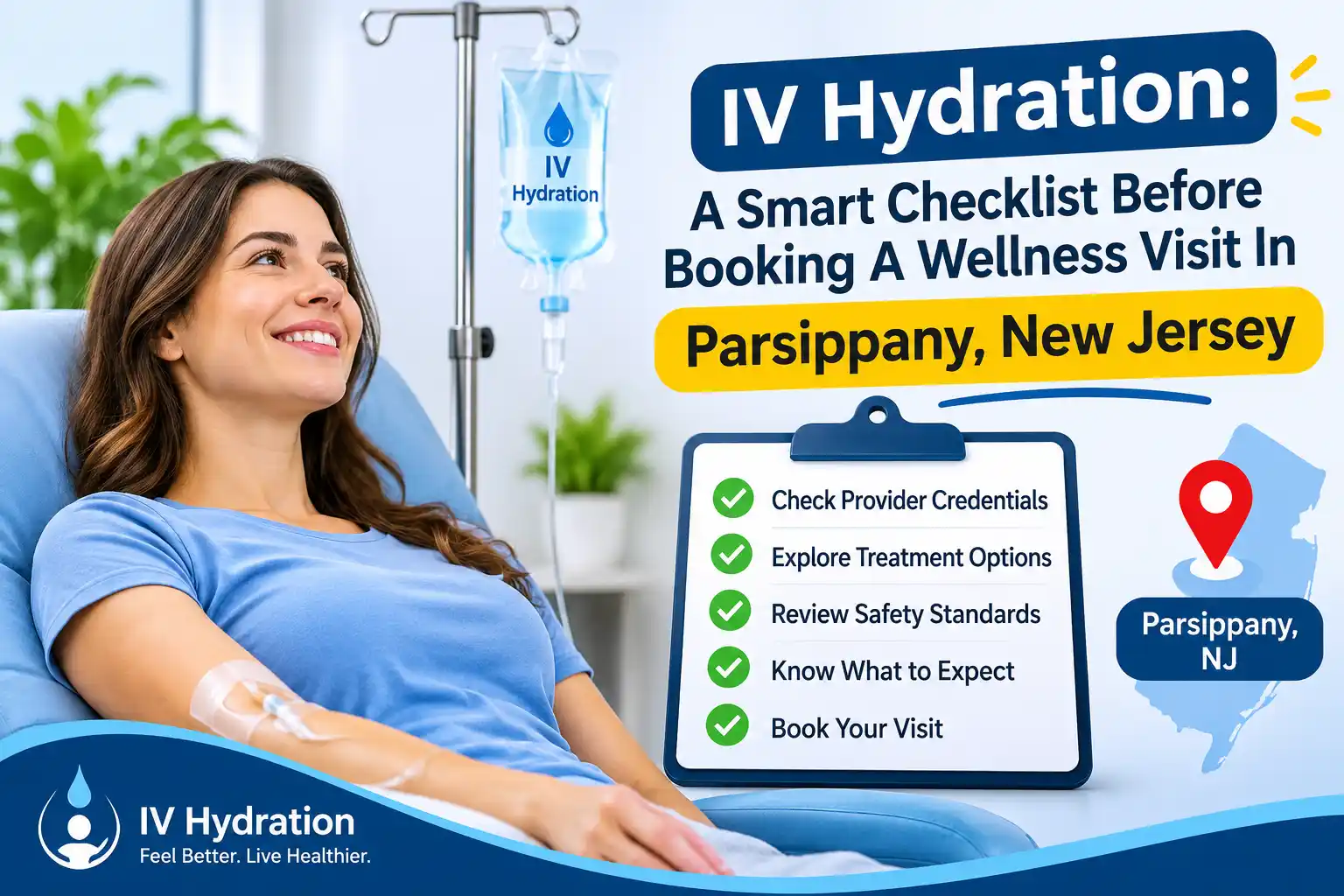
- A Simple Appointment Checklist
- Common Questions About IV Hydration
- Final Thoughts
Whether you are fitting a wellness visit between a workday, a Morris County commute, or travel through North Jersey, IV hydration deserves the same thoughtful approach as any service involving a needle and substances delivered into a vein. Before booking a visit at a Parsippany Drip Lounge or another local provider, know what to ask, what to disclose, and when a different type of care may make more sense.
IV fluids can be medically appropriate in selected circumstances, but a wellness appointment is not a substitute for emergency treatment, a primary care evaluation, prescribed care, or routine oral hydration when those options fit the situation. A careful decision starts with realistic expectations and a complete conversation about health history.
Why People Consider IV Hydration
An IV can deliver fluids, electrolytes, medications, or other ingredients directly into a vein. People commonly consider it after travel, strenuous activity, fluid loss, or a period when drinking has been difficult. Still, feeling run-down after a late night or a long flight does not automatically mean an IV is needed. Sleep, food, water, and an oral rehydration drink may be the more practical first step for many otherwise healthy people.
It is also important to separate mild wellness concerns from potentially serious illness. Severe or ongoing vomiting, confusion, chest pain, trouble breathing, fainting, sudden weakness, and signs of a serious allergic reaction need prompt medical assessment. Do not treat a wellness lounge as an alternative to urgent or emergency care.
What Should Happen Before Treatment
A responsible visit begins before any supplies are opened. The clinician should ask about your goal for treatment, current symptoms, medical history, medications, allergies, prior infusion reactions, and pregnancy status when relevant. Depending on the situation, basic vital signs may also be appropriate.
Important Screening Steps
- Confirm identity and the reason for the visit.
- Review diagnoses, medications, allergies, and past reactions.
- Discuss the proposed fluid volume, ingredients, timing, and potential side effects.
- Give the patient time to ask questions and provide informed consent.
- Explain what to do if symptoms worsen during or after the visit.
Questions To Ask The Provider
Keep a short question list on your phone, especially if you are booking quickly between obligations in Parsippany-Troy Hills or nearby communities. Clear answers help you make a decision based on information rather than marketing.
- Who will assess me and start the IV, and what are their credentials?
- What exactly is in the bag or injection?
- Why is each ingredient being suggested for my stated goal?
- What side effects should I report immediately?
- How are products stored, prepared, labeled, and tracked?
- What is the plan if I feel faint or have an allergic reaction?
- Will the treatment be documented for my future medical care?
A provider should be comfortable answering these questions without pressuring you to purchase a package. If an answer is vague, ask for clarification before agreeing to treatment.
Ingredients, Evidence, And Realistic Claims
More ingredients do not necessarily create a better infusion. Some formulas contain standard fluids or electrolytes, while others include vitamins, minerals, medications, or compounded ingredients. A nutrient may be useful for a documented deficiency, but that does not establish that everyone needs it or will benefit from it.
Be particularly cautious with claims involving immunity, anti-aging, weight loss, detoxification, chronic disease, or instant performance. The FDA warning letter concerning unapproved biologic products offered by an IV hydration business is a useful reminder to ask what a product is, where it comes from, and whether it has been represented accurately. Marketing language should never replace a clinical explanation of benefits, limits, and risks.
Safety, Sterility, And Emergency Readiness
Because IV treatment breaks the skin and places fluids directly into the bloodstream, clean technique and trained staff matter. Single-use supplies should be sealed until needed. Staff should use hand hygiene, prepare the skin properly, label bags and additives clearly, and monitor the patient during treatment.
Patients should also know how the clinic responds to complications such as fainting, infiltration, allergic reactions, or fluid-related concerns. A general overview of intravenous therapy reinforces the value of understanding the treatment instead of assuming every drip is equally appropriate.
Who Should Use Extra Caution
Fluid volume, electrolytes, and additives may not be suitable for every person. Anyone with kidney disease, heart failure, liver disease, known electrolyte problems, or medications that affect fluid balance or blood pressure should speak with a licensed medical professional before treatment. The same care is sensible for people who are pregnant, breastfeeding, preparing for surgery, or experiencing unexplained symptoms.
Red Flags To Watch For
- No screening before treatment begins.
- Unclear ingredient lists or vague product sourcing.
- Promises to cure disease or replace standard medical care.
- No discussion of side effects or emergency procedures.
- Staff who cannot explain their role or credentials.
- Unlabeled supplies, damaged packaging, or visibly unclean work areas.
- Pressure to buy a membership or package before receiving clear information.
A Simple Appointment Checklist
- Define the goal: Write down why you are considering treatment.
- Share relevant health details: Include diagnoses, medications, allergies, and current symptoms.
- Request the formula: Ask for the full ingredient list and purpose of each item.
- Confirm credentials and monitoring: Know who is providing care and how they handle complications.
- Set realistic expectations: Do not expect an IV to replace sleep, nutrition, or medical diagnosis.
- Know when to seek urgent care: Choose medical evaluation for severe or rapidly worsening symptoms.
Common Questions About IV Hydration
Is IV Hydration Better Than Drinking Water?
Not automatically. Many people can meet everyday hydration needs through fluids, food, and rest. The best option depends on the person’s symptoms and medical situation.
Can IV Therapy Treat A Hangover Or Fatigue?
Fluids may help when dehydration is contributing to symptoms, but an IV does not erase alcohol’s effects, replace sleep, or identify the cause of fatigue.
What Side Effects Can Occur?
Possible concerns include bruising, soreness, dizziness, vein irritation, infection, allergic reactions, fluid imbalance, and interactions related to ingredients. Report unusual or worsening symptoms promptly.
Final Thoughts
A smart IV hydration decision in Parsippany begins with questions, honest health information, and an understanding of the service’s limits. The right visit should prioritize screening, transparency, cleanliness, monitoring, and appropriate referrals when routine wellness care is not the right fit.
