
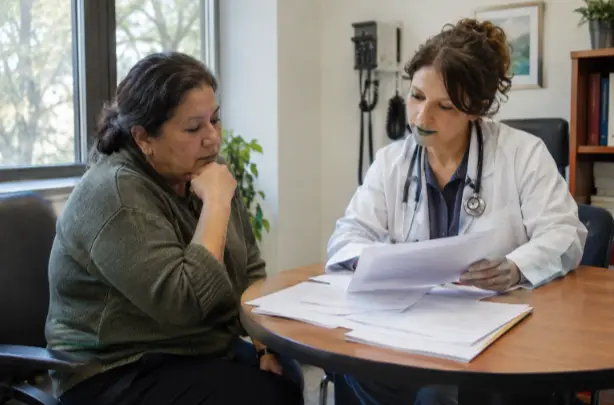

Choosing whether to join a clinical trial is a personal healthcare decision. Trials may study treatments, medical devices, procedures, or ways of delivering care. Some people explore them because standard options have not helped enough, while others want to contribute to research that may benefit future patients.
Before making a choice, it helps to understand the usual clinical trial process, including pre-screening, informed consent, eligibility screening, study visits, and follow-up. Participation can offer access to an intervention being studied, but it can also involve uncertainty, appointments, tests, and practical demands.
Table of Contents
- Why People Consider Clinical Trials
- Start With the Purpose of the Study
- Check Eligibility and Personal Fit
- Ask About Risks, Benefits, and Alternatives
- Review the Time and Daily Commitment
- Read the Consent Materials Carefully
- Plan for Travel, Costs, and Practical Needs
- Include Family Members and Caregivers
- Know Your Rights During the Study
- Prepare for the End of the Trial
- A Simple Decision Checklist
Why People Consider Clinical Trials
Clinical research is necessary to evaluate whether an approach is safe, how it works, and whether it may help people with a particular condition. A trial may compare a new treatment with standard care, another treatment, a placebo, or another study group. Joining is voluntary, and deciding not to participate should not be treated as a failure or a missed obligation.
Start With the Purpose of the Study
Ask what the researchers are trying to learn. Is the study testing a new medicine, examining a treatment already in use for a different purpose, or gathering information about symptoms and outcomes? Confirm the study title, condition, treatment type, location, and whether it is currently recruiting. Reviewing common research terms in a general overview of clinical trials can make those early conversations easier.
Check Eligibility and Personal Fit
Every trial has eligibility criteria. These may involve age, diagnosis, disease stage, treatment history, medications, laboratory results, and overall health. Meeting an initial requirement does not guarantee enrollment, because screening may identify other factors that affect safety or study design.
Provide complete, accurate health information and ask whether your current treatment, another medical condition, or a prescription or supplement could affect eligibility. Your regular clinician can also help you compare the study with available care options.
Ask About Risks, Benefits, and Alternatives
A new treatment is not automatically better or safer. Ask about known side effects, possible unknown risks, expected benefits, and the likelihood that the treatment may not help you personally. Find out whether assignment to groups is random and whether a placebo or standard treatment is involved.
Questions worth asking
- What happens if the study treatment does not work?
- What happens if I have a serious side effect or my condition worsens?
- What alternatives are available if I choose not to join?
- Who will provide medical care during the study?
Review the Time and Daily Commitment
Ask for a written visit schedule before deciding. It should clarify how long participation may last, how often visits are needed, how long appointments usually take, and whether testing, procedures, or overnight stays are possible. Also ask whether any visits can occur by phone or video.
Consider the effect on work, school, caregiving, transportation, exercise, and travel. A schedule that appears manageable at first may be harder to maintain during a busy period or if your health changes.
Read the Consent Materials Carefully
Informed consent materials should explain the purpose of the research, procedures, foreseeable risks, potential benefits, alternatives, privacy practices, and participant responsibilities. Signing the form does not end your ability to ask questions or change your mind. Take the time you need, discuss concerns with someone you trust, and request a copy for your records.
The U.S. Department of Health and Human Services provides questions to ask when considering volunteering for a research study to help guide a conversation with the study team.
Plan for Travel, Costs, and Practical Needs
Do not assume every expense is covered. Ask which study-related tests, treatments, and visits are paid for, and whether your insurance may be billed for routine care. Discuss transportation, parking, meals, lodging, childcare, and time away from work.
Also distinguish reimbursement from payment. Reimbursement may cover eligible expenses, while payment is compensation for participation. Ask what documentation is required, how much may be available, and when payments are made.
Include Family Members and Caregivers
A caregiver, family member, or trusted friend can take notes, help remember questions, arrange transportation, and offer support. If the potential participant is a child, an older adult, or someone who needs daily assistance, discuss how caregiver involvement will work throughout the study. Children should receive explanations in language they can understand.
Know Your Rights During the Study
Before enrolling, identify who to contact for medical concerns, scheduling problems, and questions about participant rights. Report new symptoms and side effects promptly. Participants can continue to ask questions during the study and choose to leave, although speaking with the study team first can help ensure a safe transition in care. Ask how health information and samples may be stored, used, and shared.
Prepare for the End of the Trial
Participation can end when the planned study period is complete, when eligibility changes, when the study changes, or when a participant or researcher decides it is appropriate to stop. Ask what follow-up care is available, whether the study treatment will remain available, and how you may receive study updates or results. Clarify the plan if you feel better, feel worse, or need a different treatment.
A Simple Decision Checklist
- I understand the purpose of the study and what researchers hope to learn.
- I know what visits, tests, treatments, and follow-up may be required.
- I understand possible risks, uncertainties, and potential benefits.
- I have discussed alternatives to joining the trial.
- I know how participation could affect my schedule and responsibilities.
- I understand questions about likely costs, reimbursement, and insurance.
- I know who to contact with medical, practical, and rights-related concerns.
- I have had enough time to decide and have discussed the choice with someone I trust.
Conclusion
A clinical trial is a significant healthcare decision, not simply a form to sign. A clear set of questions can reduce uncertainty and help patients and caregivers decide whether participation aligns with their health needs, values, treatment goals, and daily lives.
